La saison de l’escalade sur roche reprend doucement ! En attendant, découvrez le matériel de base disponible à la boutique Zéro Gravité pour vous préparer à vos premières sorties d’escalade sur roche.
First and foremost, it’s important to remember that outdoor climbing differs from indoor climbing. A rigorous approach to safety and a good understanding of the environment are essential. If you and your climbing partners are new to this setting, we strongly encourage you to climb with experienced individuals or hire an instructor. Passe-Montagne offers outdoor transition courses 1 that we highly recommend! And above all, if you have any doubts about a move, it’s better to hold off: when in doubt, don’t take the risk! Safety comes first.
In the outdoors, you are responsible for your own safety, both on the rock face and during the approach. Some routes require a hike to reach them, which can be more or less technical depending on the location. It is therefore advisable to wear suitable footwear and appropriate gear to avoid injuries or falls 2.
There are many ways to approach rock climbing: top-roping, sport climbing, traditional climbing, multi-pitch routes, and many others. Our Zéro Gravité store offers a range of gear designed for outdoor use. If you’re a beginner, this equipment may seem a bit confusing. Let us guide you through the basics you’ll need.
À Zéro Gravité, nous donnons notre confiance dans des marques d’excellence comme Black Diamond, Scarpa ou Petzl, reconnues pour leur engagement dans la durabilité de leurs équipements innovants et performants. Le kit essentiel pour grimper à l’extérieur comprend d’abord votre équipement habituel : chaussons d’escalade, harnais, système d’assurage (notre boutique propose des ATC, des Grigri et des Reverso. These last two are particularly useful for multi-pitch climbing, especially on long routes, and can be used both on the way up and on the way down. These last two are particularly useful for multi-pitch climbing, especially on long routes, and can be used both on the way up and on the way down.
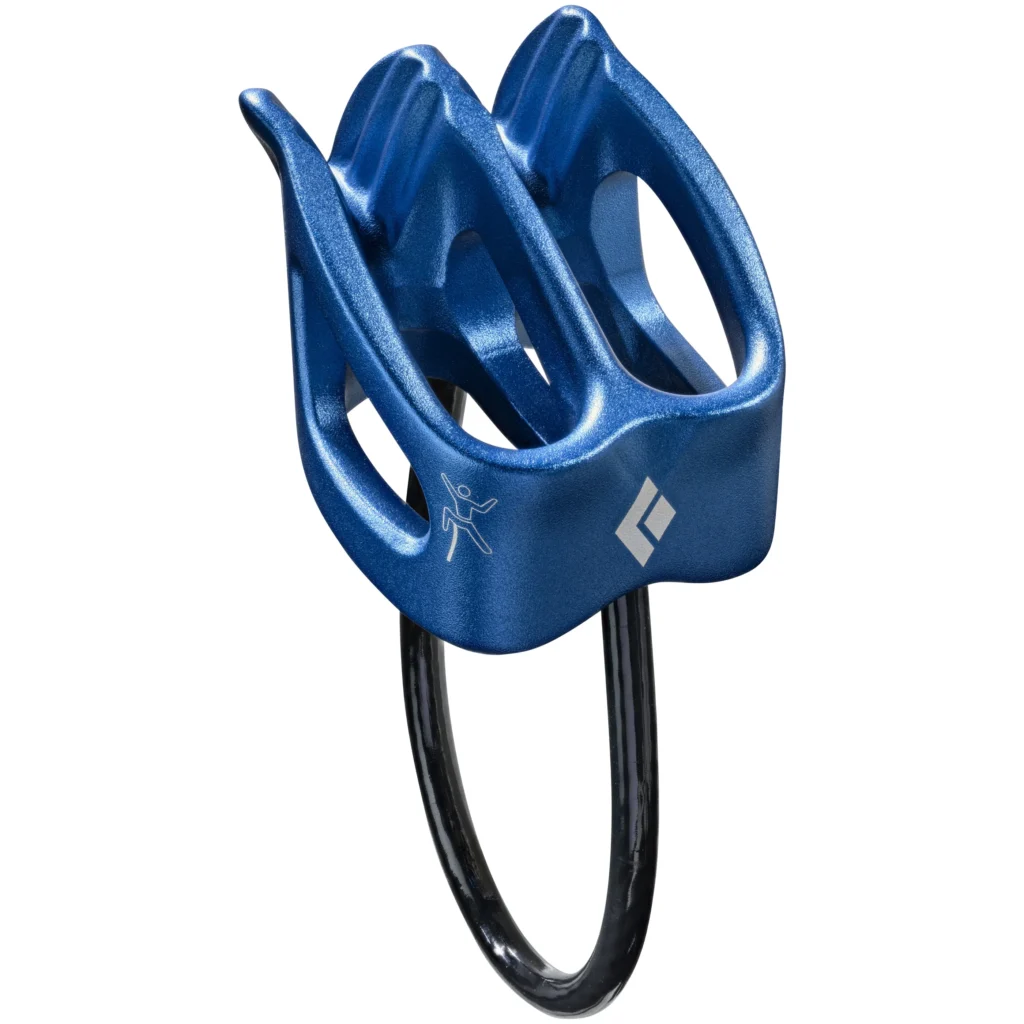
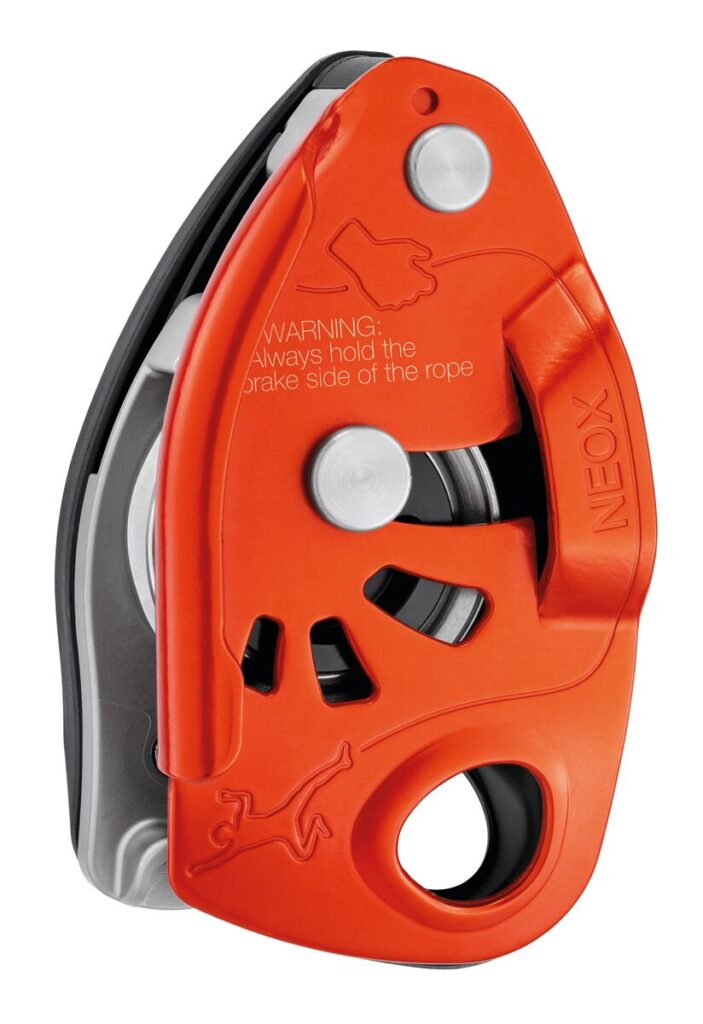
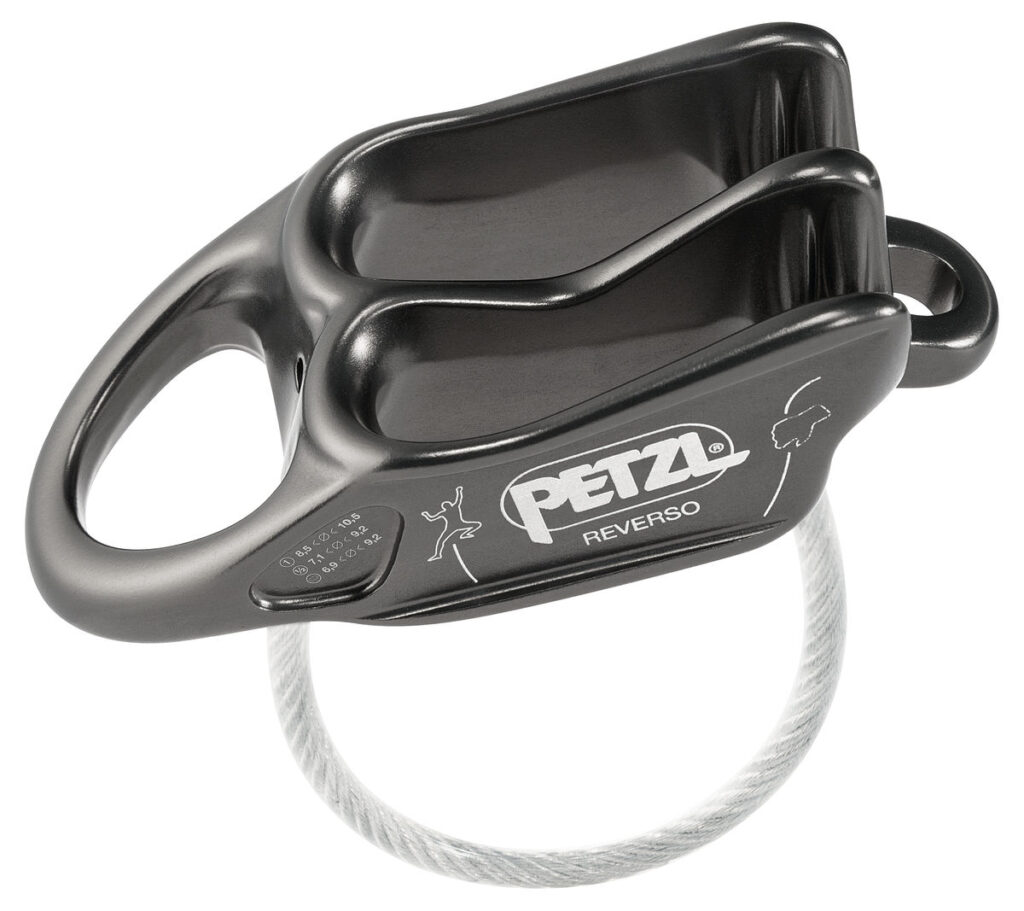
In addition to these basic supplies, you will need:
- topping-out equipment for outdoor top-roping. We offer all the necessary gear: 120 cm or 240 cm slings, D-ring carabiners, and pear-shaped or HMS carabiners.
- A 60-meter dynamic rope is recommended (sometimes 70 meters). It is crucial to know the length of your rope to avoid any snags during the descent. Take good care of it to ensure it lasts: store it in a rope bag and place it on a clean surface, such as a tarp, to prevent it from coming into contact with dust or moisture. The lifespan of your rope depends on how often you use it, the number of falls, and the intensity of those falls. If it sustains significant damage from sharp objects, such as rock edges or crampons, you must stop using it immediately.
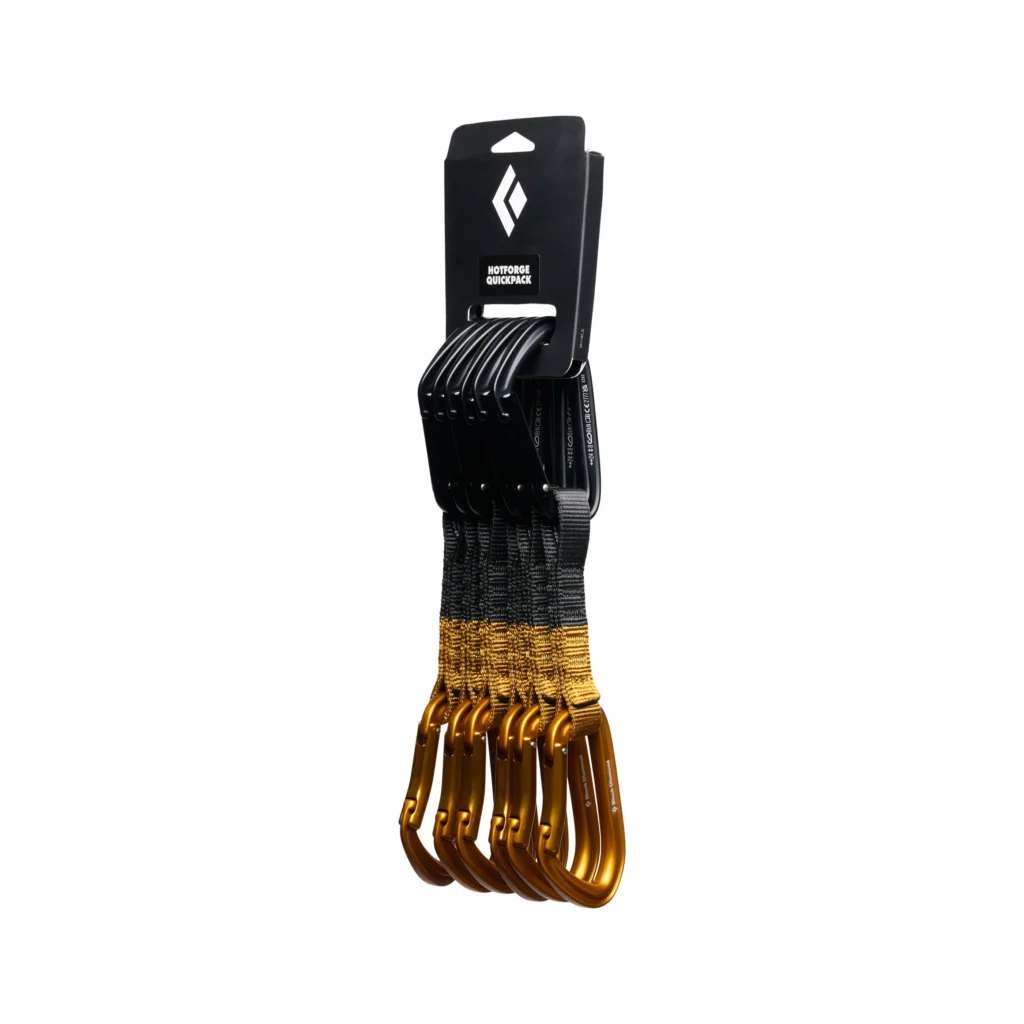
- a set of quickdraws for lead climbing. It is recommended that you have between 10 and 15 for standard climbs. Check the number of belay points listed in the guidebook (a detailed guide describing the climbing routes on a wall) to determine how many quickdraws you’ll need.
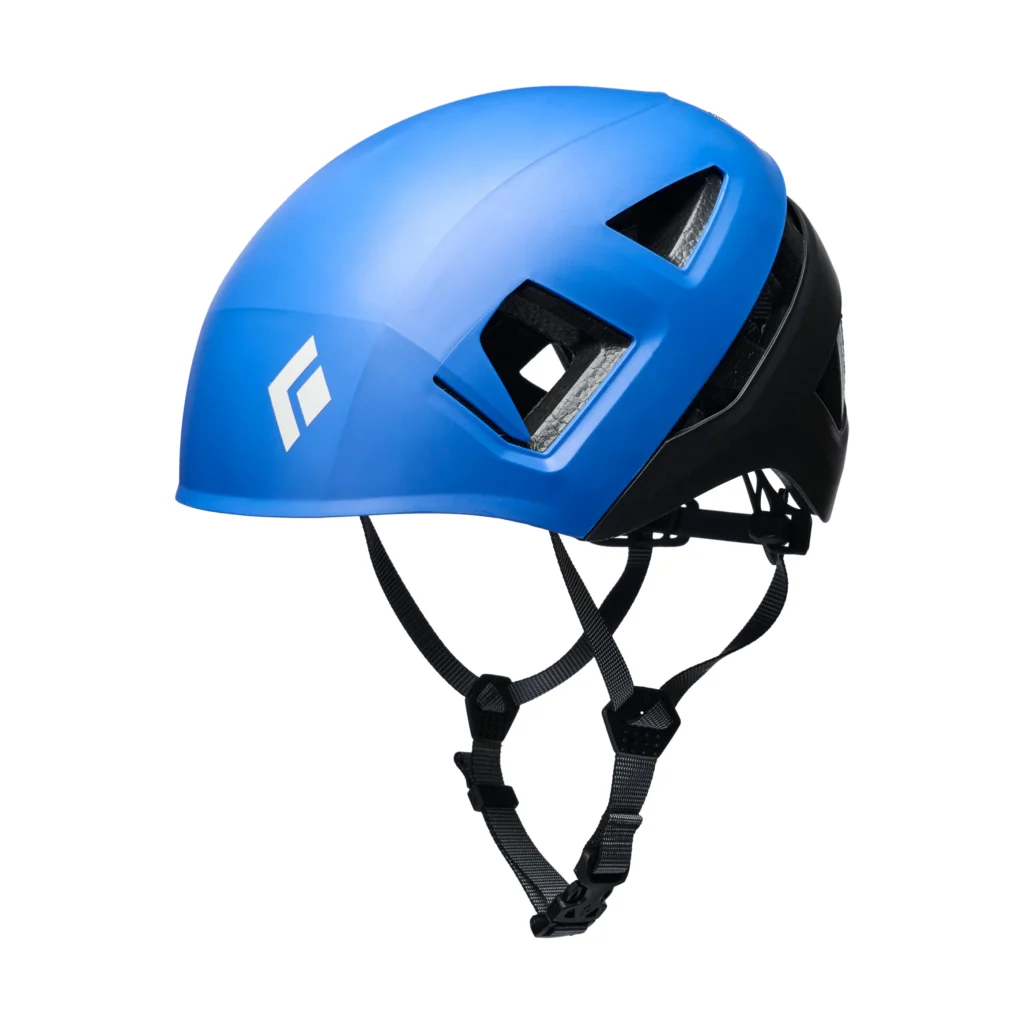
- a helmet, which is essential for both the insurer and the insured to protect against falling rocks.
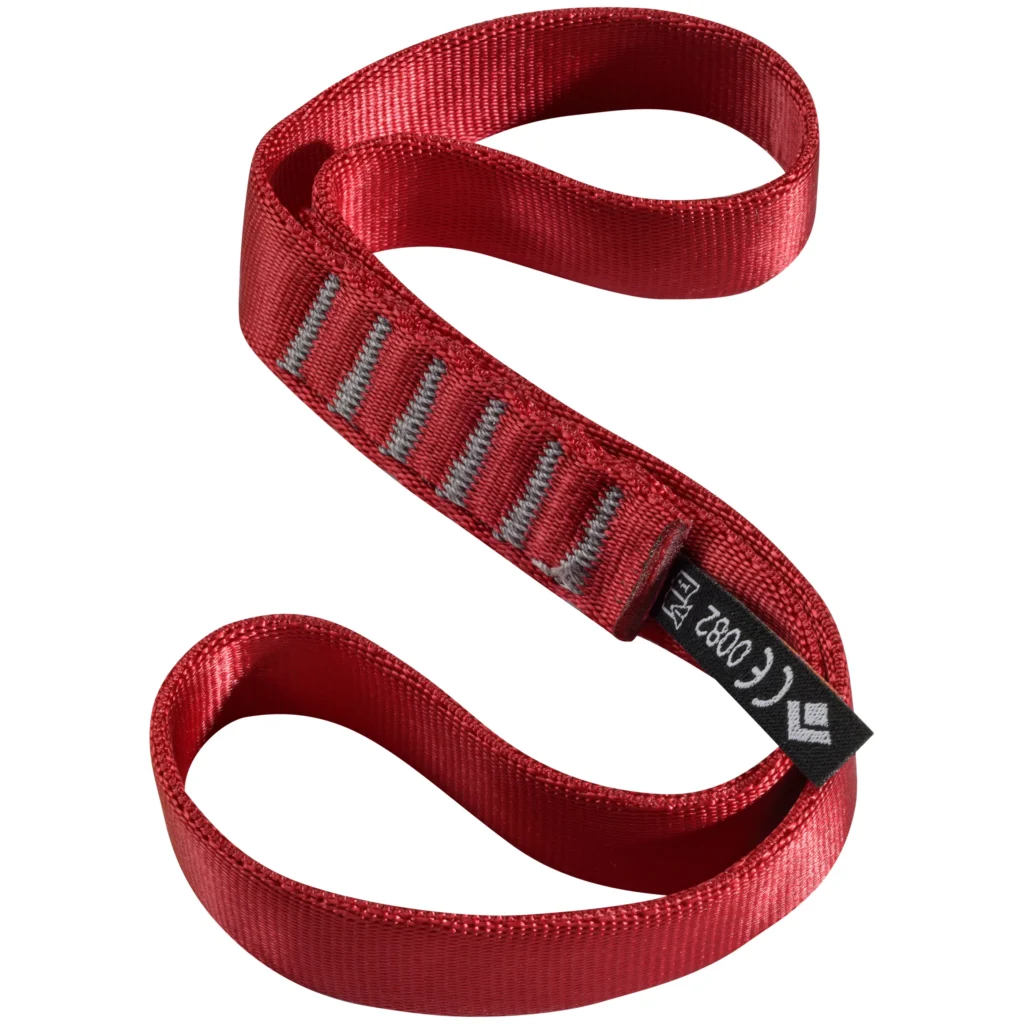
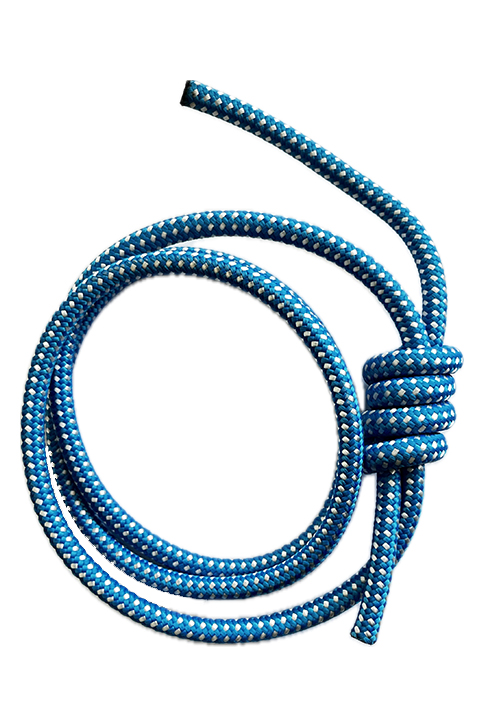
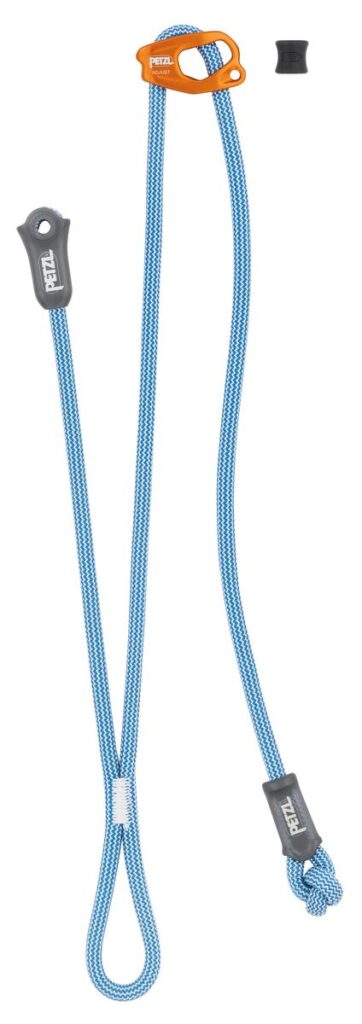
Once you’ve finished your climb, using specialized gear to clean the route and retrieve your quickdraws can help preserve your equipment, especially your rope. A lanyard, such as the Dual Connect Adjust, is useful for all types of climbing. A sling for tying a Prusik knot is also necessary for safe rappelling. Finally, a 240 cm nylon sling will allow you to set up a belay station.
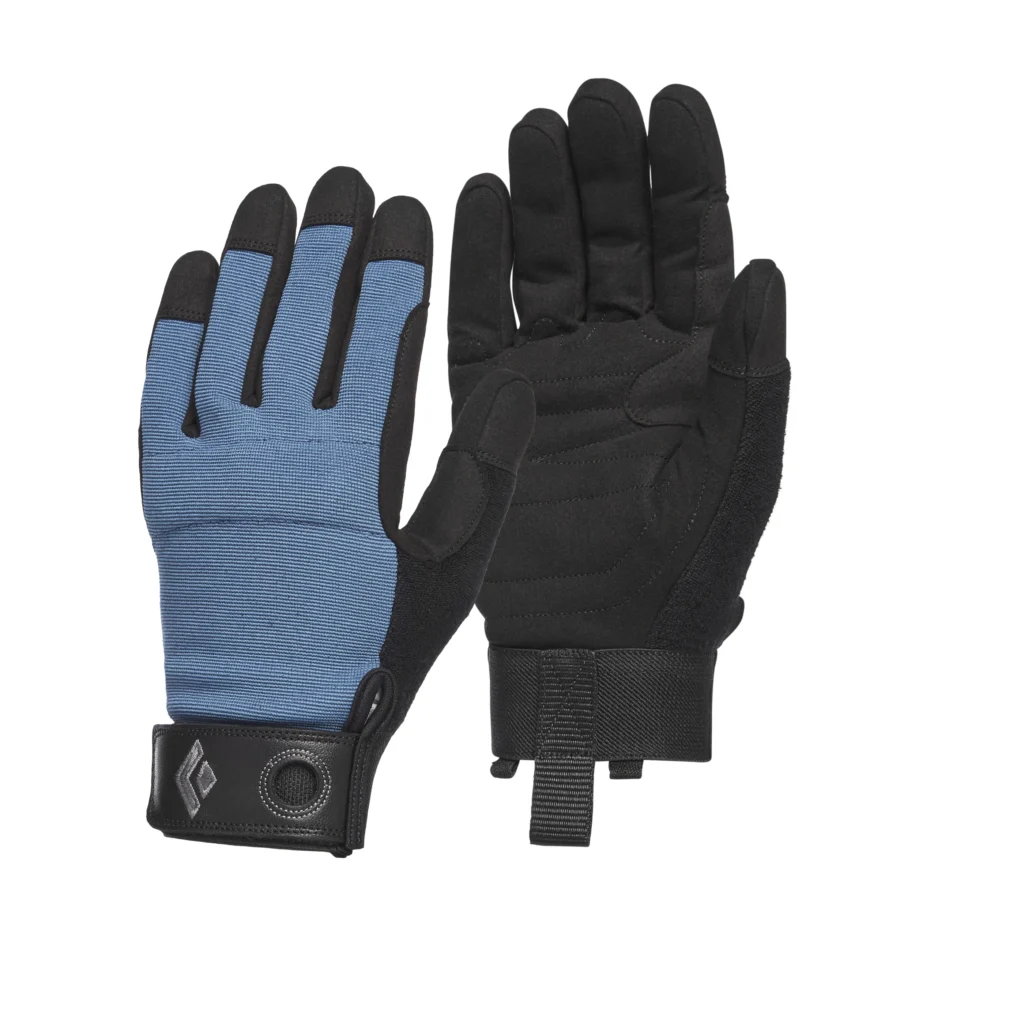
Early risers and night owls may sometimes need a headlamp for early morning or nighttime climbs. We also offer two types of gloves: belay gloves for cool weather and climbing gloves to protect your knuckles.
Rock climbing takes place in the great outdoors, within ecosystems that must be preserved. Adopting environmentally friendly practices and minimizing our impact are top priorities. To learn more about best practices to follow during your outings, check out our article « Les bons gestes à adopter lors de nos sorties d’escalade », published in May 2024.
Finally, Quebec is full of superb climbing spots 3, located in the heart of exceptional natural parks. You’ll find various guidebooks to the climbing walls in the store, along with climbing topos, such as Parois du Québec, sites d’Escalade du Bas-Saint-Laurent et de la Gaspésie 4, (Marche & Trousseau, 2024), which can give you ideas for your next vacation! These types of printed guides are very useful for locating routes and getting precise information about the sites. Each climbing wall has its own guidebook, which is important to consult to ensure you’re well-prepared. To complement this article, we also invite you to check out *Transition: A Rock Climbing Guide* (M. Davidson Jewell, 2021), available in our downtown store, which will deepen your knowledge on the subject.
With these tips in hand, we hope we’ve inspired you to explore our outdoor climbing guides and find your next outdoor adventure destination! Feel free to reach out to the Zéro Gravité team for personalized advice!
______
- https://ecole-escalade.com/cours-descalade/ ↩︎
- https://reseaupleinair.quebec/site/assets/files/1927/gpes_escalade-de-rocher_2025.pdf ↩︎
- https://fqme.qc.ca/carte/ ↩︎
- https://paroisduquebec.ca/ ↩︎
______
Photo of the poster : Richard Mardens